
Importance of Salah in Islam?
Introduction
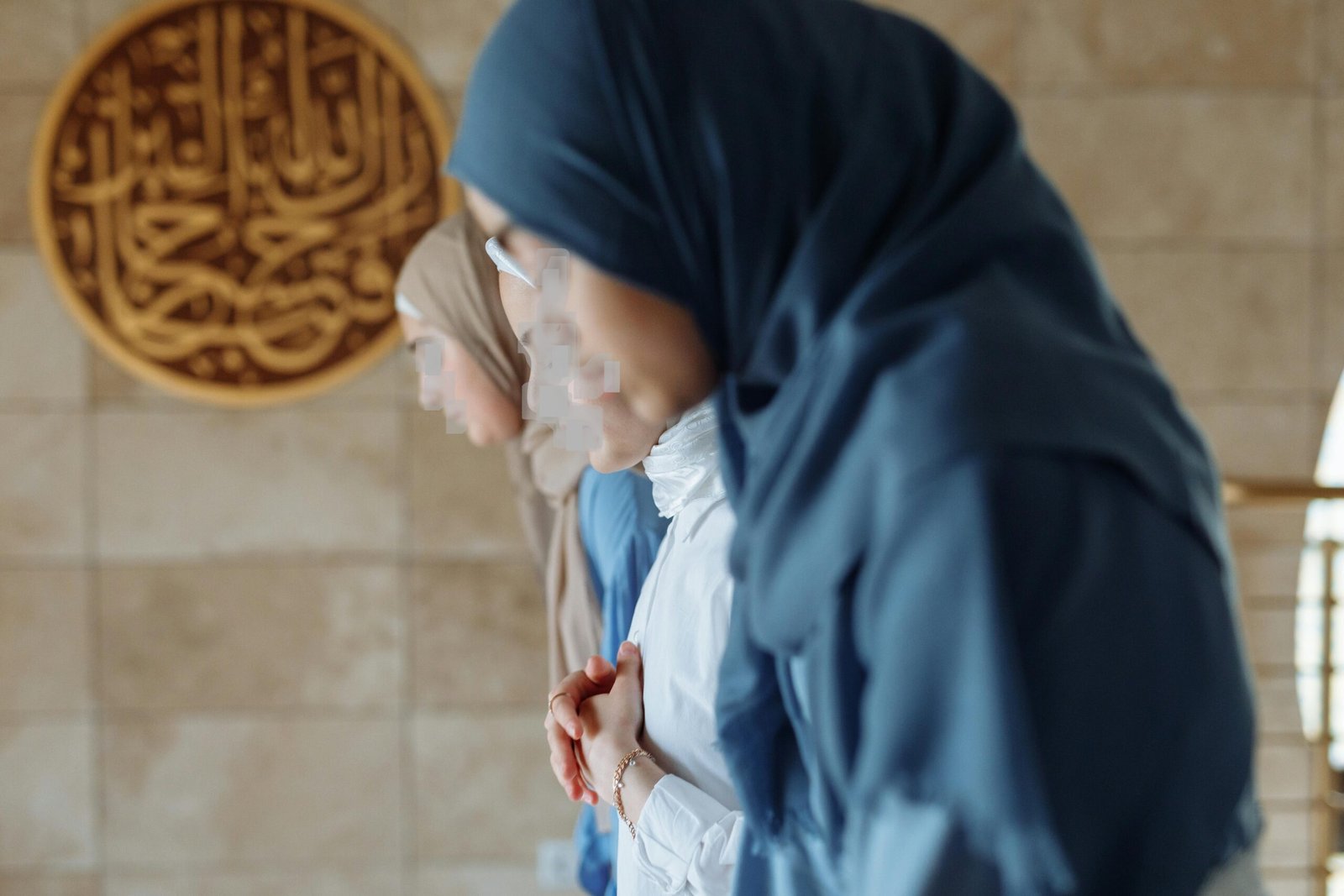
Salah is one of the most important acts of worship in Islam. It is the second pillar of Islam and a direct connection between a Muslim and Allah. Every day, Muslims perform five daily prayers to remember Allah, seek His guidance, and strengthen their faith.
Salah is not just a ritual; it is a way of life that brings peace, discipline, and spiritual growth. It reminds Muslims of their purpose and helps them stay connected to their Creator throughout the day.
What Is Salah?
Salah is the obligatory prayer that every Muslim performs five times a day. These prayers are:
Fajr (before sunrise)
Dhuhr (afternoon)
Asr (late afternoon)
Maghrib (after sunset)
Isha (night)
Each prayer includes recitation from the Quran, remembrance of Allah, and specific physical movements that reflect humility and submission.
Why Is Salah Important in Islam?
Salah holds a special place in Islam because it is one of the five pillars upon which the religion is built.
Salah Strengthens Our Relationship with Allah
Prayer allows Muslims to communicate directly with Allah. It is a time to ask for guidance, forgiveness, and blessings.
Salah Brings Peace and Comfort
Life can be stressful and busy. Salah provides moments of peace where Muslims can focus on Allah and find comfort in His remembrance.
Salah Teaches Discipline
Praying five times a day helps Muslims develop time management, responsibility, and consistency in their daily lives.
Salah Protects from Wrongdoing
Regular prayer reminds Muslims to stay away from sinful actions and make better choices.
Allah says in the Quran:
“Indeed, prayer prohibits immorality and wrongdoing.”
This shows how Salah helps build strong character and good behavior.
Benefits of Performing Salah
Salah offers many spiritual and personal benefits.
Spiritual Benefits
Increases faith in Allah
Brings a person closer to Allah
Helps seek forgiveness for sins
Strengthens trust in Allah
Personal Benefits
Creates discipline and routine
Reduces stress and anxiety
Improves focus and self-control
Encourages positive thinking
The Importance of Praying on Time
Islam teaches Muslims to perform each prayer at its proper time.
Praying on time shows:
Obedience to Allah
Commitment to worship
Respect for Islamic teachings
Making Salah a priority helps Muslims keep Allah at the center of their lives.
Teaching Salah to Children
Parents play an important role in teaching Salah to their children.
Some simple ways to encourage children include:
Praying together as a family
Teaching the meaning of prayer
Creating a regular prayer routine
Praising children for their efforts
Leading by example
When children learn Salah from a young age, it becomes a natural and important part of their lives.
Consequences of Neglecting Salah
Salah is not just recommended—it is an obligation for every adult Muslim.
Neglecting prayer can weaken a person’s connection with Allah and lead them away from Islamic values.
This is why Muslims are encouraged to protect their prayers and make them a daily priority.
Salah in the Light of Hadith
The Prophet Muhammad (PBUH) said:
“The first thing a person will be asked about on the Day of Judgment is his prayer.”
This Hadith highlights the importance of Salah and its special position in Islam.
Lessons We Learn from Salah
Salah teaches many valuable lessons, including:
Obedience to Allah
Patience and self-control
Gratitude for blessings
Humility before Allah
Discipline in daily life
These lessons help Muslims become better believers and better human beings.
Conclusion
Salah is one of the greatest blessings in Islam. It strengthens faith, brings peace to the heart, and keeps Muslims connected to Allah throughout the day.
By performing Salah regularly and on time, Muslims develop discipline, gratitude, and a stronger relationship with their Creator.
Every Muslim should strive to protect their prayers and make Salah an essential part of daily life.
May Allah help us establish our prayers and remain steadfast in worship. “Ameen”