What's Hajj and why is it significant for Muslims?
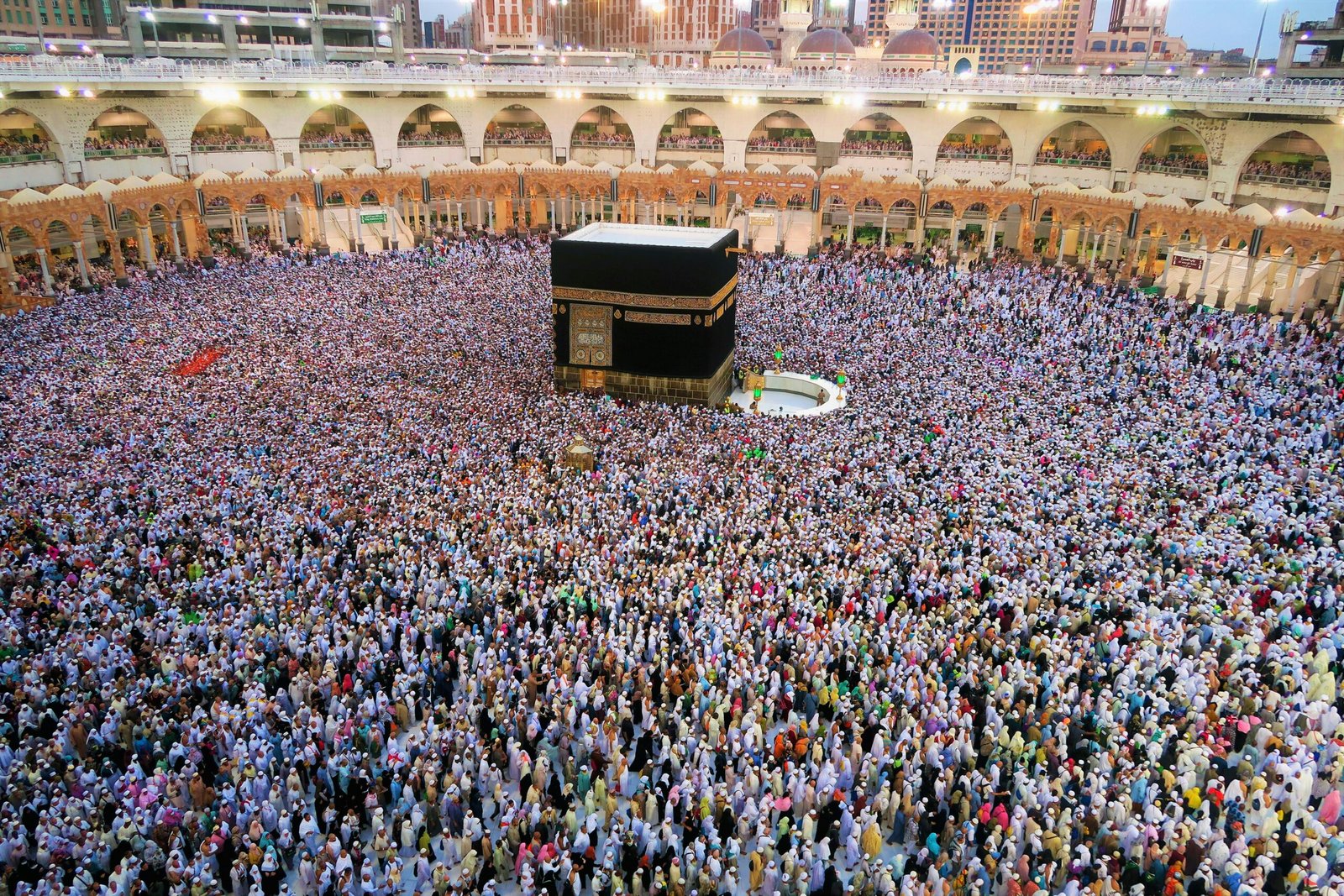
Hajj is one of the most beautiful and emotional acts of worship in Islam. Every year, millions of Muslims from around the world travel to the holy city of Makkah to fulfill this fifth important pillar of Islam. It is much more than a journey it is a spiritual experience that brings Muslims closer to Allah and reminds them of the true purpose of life. Hajj teaches Muslims patience, humility, sacrifice, unity, and complete trust in Allah. It is obligatory once in a lifetime for every Muslim who is physically and financially able to perform hajj. During this sacred journey, people from different countries, cultures, and backgrounds stand together as one Ummah, wearing simple clothes and worshipping the same Creator. At our Online Quran Ilm Academy, we believe that learning about Hajj helps Muslims better understand the beauty of Islam and the importance of faith, sincerity, and obedience to Allah.
This sacred pilgrimage follows the footsteps of Prophet Ibrahim (AS), his wife Hajar (AS), and Prophet Muhammad (PBUH). Every ritual performed during Hajj carries a deep spiritual meaning and teaches valuable lessons for life. Allah says in the Holy Quran: “And proclaim to the people the Hajj pilgrimage; they will come to you on foot and on every lean camel from every distant pass.” This verse beautifully highlights how Muslims from every corner of the world answer the call of Allah.
Why is Hajj important in islam
Hajj is important because it is a direct command from Allah and one of the five pillars of Islam. It is a unique form of worship that combines physical effort, financial sacrifice, and spiritual devotion.Here are some major reasons why Hajj is so important in Islam:
- Hajj strengthens faith and connection with Allah
- Hajj removes sins and brings forgiveness
- Hajj teaches equality among Muslims Hajj develops patience and self-control
- Hajj reminds Muslims about sacrifice and obedience
- Hajj unites Muslims from around the world
Prophet Muhammad (PBUH) said:
“Whoever performs Hajj for Allah’s pleasure and does not commit any obscenity or wrongdoing will return as sinless as a newborn child.”
This Hadith shows the mercy and forgiveness Allah grants to sincere pilgrims.
Main Rituals of Hajj
The 8th of Dhul-Hijjah (The Day of Tarwiyah)
- Ihram: Pilgrims make their intention (Niyyah) and enter the sacred state of ritual purity at a designated Miqat. Men wear two unstitched white sheets; women wear modest daily clothing that covers the head.
- Travel to Mina: Pilgrims journey to the “City of Tents” in Mina, spending the day and night in prayer and reflection.
The 9th of Dhul-Hijjah (The Day of Arafah)
- Wukuf (Standing): After sunrise, pilgrims proceed to the plains of Arafah. This is the most crucial pillar of Hajj; pilgrims spend the afternoon until sunset in deep repentance, reciting supplications and seeking forgiveness.
- Muzdalifah: At sunset, pilgrims travel to Muzdalifah. Here, they pray Maghrib and Isha combined and sleep under the open sky. They also collect pebbles for the upcoming stoning rituals.
The 10th of Dhul-Hijjah (Yawm an-Nahr)
- Rami (Stoning): Before sunrise, pilgrims return to Mina to throw seven pebbles at the largest pillar, Jamrat al-Aqabah.
- Hady (Sacrifice): Pilgrims perform or arrange the sacrifice of an animal (Qurbani).
- Halq or Taqsir (Shaving): Men shave their heads (Halq) or trim their hair evenly, while women trim a fingertip-length section of their hair. At this point, most Ihram restrictions are lifted.
- Tawaf al-Ifadah & Sa’i: Pilgrims travel to the Masjid al-Haram in Makkah to circle the Kaaba seven times (Tawaf) and walk seven times between the hills of Safa and Marwa (Sa’i).
The 11th & 12th of Dhul-Hijjah (Ayyam at-Tashreeq)
- Stoning the Jamarat: Pilgrims return to Mina to stone all three Jamarat (small, medium, and large pillars) with seven pebbles each afternoon.
- Pilgrims can choose to leave Mina before sunset on the 12th of Dhul-Hijjah or stay for an additional night to stone the pillars on the 13th.
Tawaf al-Wada (Farewell Tawaf): Before leaving Makkah, pilgrims perform a final seven-circuit Tawaf around the Kaaba to conclude their Hajj journey.