
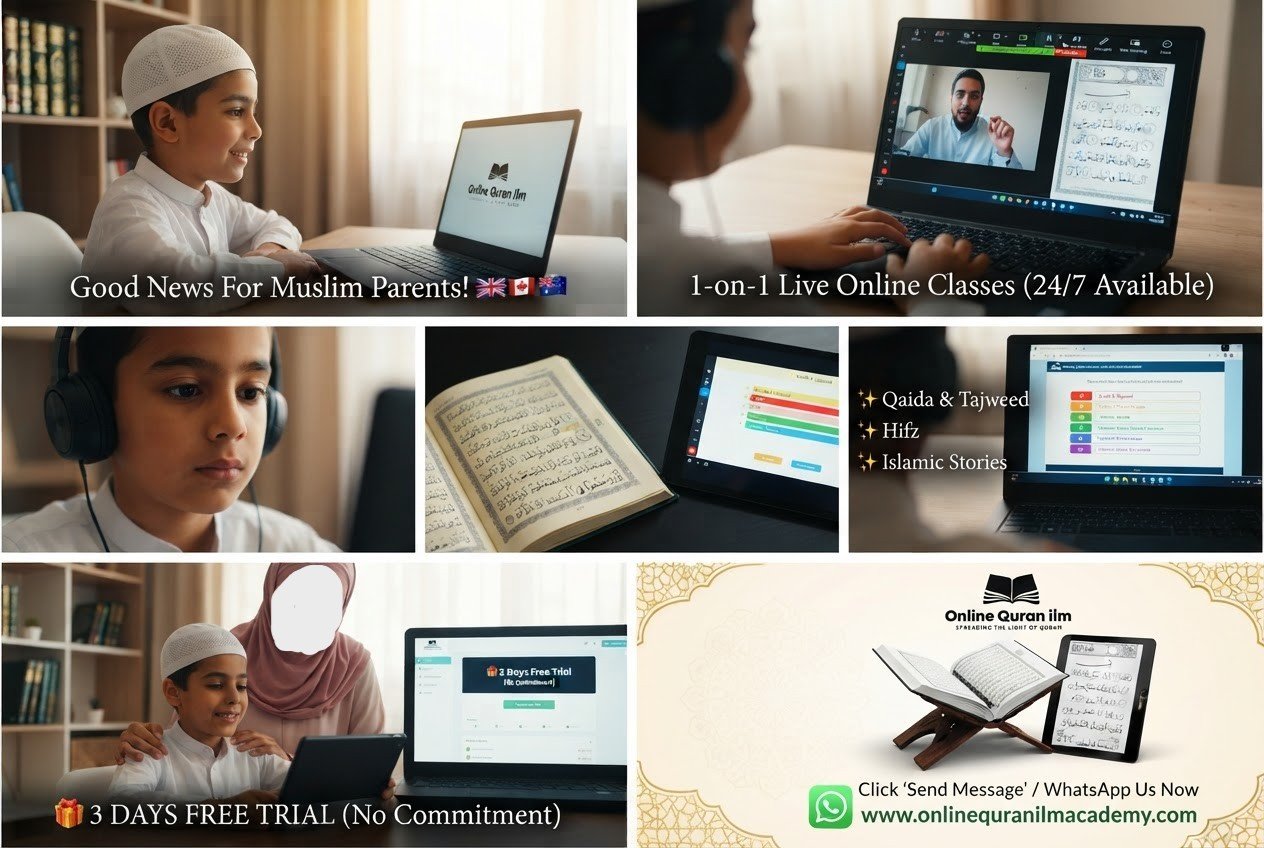
Every Muslim parent wants their child to love the Quran, not just finish it. But after a long school day, a tired child can see Quran time as one more task. The good news is that a few small changes at home can turn lessons into something your child looks forward to.
This guide gives you practical ideas for making Quran learning fun for kids, a simple daily routine, and advice on choosing a kind children's Quran tutor.
Why Kids Lose Interest in Quran Class
Most children do not dislike the Quran. They dislike how the lesson feels. The common reasons are easy to fix:
- Lessons are too long for their age and attention span.
- Mistakes are met with pressure, so the child feels afraid to read aloud.
- Progress feels invisible, so there is nothing to be proud of.
- The teacher is not a good match, or the class is shared with many students.
- The timing is wrong, such as right after school when the child is exhausted.
12 Fun Ideas to Make Quran Learning Enjoyable for Kids
1. Keep lessons short and regular
Fifteen to thirty focused minutes a day beats one long weekend session. Short lessons keep a young mind fresh, and daily practice builds memory.
2. Create a special Quran corner
Choose one quiet spot with a clean mat, a Quran stand (rehal) and good light. Let your child help decorate it. A place of their own makes Quran time feel special.
3. Use a sticker or progress chart
A simple wall chart lets your child see how far they have come. Add a sticker for every finished page or lesson. Small visible wins build confidence.
4. Turn letters into games
For beginners in Noorani Qaida, try a letter hunt around the house, flashcard races or matching games. Playing with sounds helps the correct pronunciation (Makharij) stick.
5. Let your child make small choices
Let them pick the bookmark, the Quran cover or whether to revise before or after dinner. Small choices give children a sense of ownership.
6. Listen to a beautiful reciter together
Play a few minutes of a clear, calm recitation of the surah your child is learning. Hearing correct Tajweed again and again trains the ear before the tongue.
7. Tell the stories behind the verses
Children love stories. Share the stories of the Prophets in simple words, then connect them to the short surahs your child recites. Meaning makes memorizing easier and more joyful.
8. Praise effort, not perfection
Say "I love how hard you tried" before you correct a mistake. Children who feel safe to make mistakes read with more confidence.
9. Celebrate every milestone
Finishing a Qaida page, learning a new surah or reading smoothly for the first time deserves a family dua, a small treat or a special mention. Keep celebrations simple and sincere.
10. Tie lessons to a fixed daily habit
Link Quran time to something that already happens every day, such as after Maghrib or right after breakfast. A fixed time removes daily arguments.
11. Let your child "teach" you
Ask your child to recite what they learned and correct you in a playful way. Teaching someone else is one of the best ways to remember.
12. Choose a gentle, live one-to-one tutor
A patient teacher who gives your child full attention changes everything. In a live 1-on-1 class the tutor can adjust the pace, repeat a sound as many times as needed and use gentle encouragement and small rewards.
Parent tip: Do not try all 12 ideas at once. Pick two or three this week, such as a progress chart and a fixed time, and add more as they become habits.
A Simple 20-Minute Quran Routine for Kids
A predictable routine helps children settle into the lesson quickly. Here is a sample that works well for beginners. Your tutor can adjust it for your child.
| Time | Activity | Purpose |
|---|---|---|
| 2 min | Bismillah, a short dua and a warm greeting | Calm start |
| 5 min | Revise the previous lesson | Keep old learning fresh |
| 8 min | New lesson with the tutor | Learn something new |
| 3 min | Recite it back aloud | Build confidence |
| 2 min | Praise, sticker and a short dua | End on a happy note |
For the week, aim for regular lessons on most days, plus a relaxed family Quran time on the weekend where everyone listens or reads together.
Age-by-Age Guide: What Works at Each Stage
Every child is different, so treat this as a starting point, not a rule.
| Age | Best focus | What helps most |
|---|---|---|
| 4 to 6 years | Letter sounds, Noorani Qaida | Very short lessons, games, lots of praise |
| 7 to 9 years | Reading with Tajweed | Routine, progress chart, small goals |
| 10 to 12 years | Fluent reading, short surahs, Hifz if desired | Stories, meaning and healthy challenge |
| 13 years and above | Fluency, memorization, understanding the meaning | Respect for their schedule and independence |
Mistakes That Kill a Child's Love for the Quran
- Shouting or shaming when the child makes a mistake.
- Comparing your child with siblings or cousins.
- Long, tiring sessions that end in tears.
- Rushing to the next page before the sounds are clear.
- Using the Quran as a punishment or a threat.
If your child dreads class or cries before lessons, it is a sign to change the approach, the timing or the tutor, not to push harder.
How to Choose a Children's Quran Tutor
The tutor matters more than any app or material. When you compare options for online Quran classes for kids, look for these qualities:
- Patient and warm with young children
- Certified, with training in Quran and Tajweed
- Live one-to-one lessons, not recorded videos
- Clear progress updates for parents
- A free trial class so your child can meet the teacher first
Our full checklist is in How to Choose the Best Online Quran Academy. Many families also prefer a female tutor for young daughters, and a male tutor for older sons, so ask what is available.
How Our Children's Quran Classes Work
At Online Quran ilm Academy, your child learns live and one-to-one with a certified male or female tutor, from the comfort of home. Families can expect:
- Courses from Noorani Qaida to Quran reading with Tajweed, Hifz and Islamic Studies
- Gentle encouragement and small rewards that keep young learners motivated
- Flexible timings for families in the USA, UK, Canada, Australia and worldwide
- Regular progress updates and 24/7 WhatsApp support
- 3 free trial classes before you choose a plan
- Family discounts for siblings
Conclusion
A child who enjoys Quran time will carry that love for life. Keep lessons short, celebrate small wins, stay patient with mistakes and give your child a kind tutor who believes in them. Book 3 free trial classes and let your child experience a Quran class that feels warm, simple and fun.